
Madison County Previous-Resident Sources
A backward address trail starts in the present and changes source as it moves into the past. The current assessor record supplies the parcel or PIN and titled owner. Recorded documents then identify transfers. Directories, censuses, maps, aerials, permits, obituaries, and probate records add residents and physical context that title alone cannot show.
| Source | Verified local years | Where held | What it shows |
|---|---|---|---|
| Assessor roll | Current 2026 page; prior range unstated | Madison County AssuranceWeb | Owner, PIN, address, value |
| Recorded documents | Online cutoff unstated | Probate recorded-document portal | Deeds, mortgages, liens, plats, parties |
| Historic Probate archive | Years not inventoried online | Owens Cross Roads | Older land and court records |
| City directories | Verified 1859–60 through selected 2006 editions | HHC, HMCPL, state archives | Named people, work, residence clues |
| Federal census | Public through 1950 under the 72-year rule | NARA and library databases | Household snapshots |
| Sanborn maps | 1884 and 1898 | Library of Congress | Building footprint, material, and use |
| Historic aerials | 1937 to present | Huntsville Historic GIS gallery | Physical change over time |
| Obituary index | Items observed from at least 1900–2021; formal range unstated | HMCPL | Death notice and interment leads |
Start with the latest source that names the parcel. Then move backward one recorded event at a time. If the online deed search ends, do not guess the cutoff. Shift to the Probate office, a written request, or the historic archive.
Start Madison County Previous Residents
The present parcel is the stable starting point for previous-resident work. Search the Madison County AssuranceWeb property portal by address. Save the current owner, PIN, parcel or account identifier, subdivision, and legal description. A PIN follows the assessed parcel more reliably than a street label.
Keep three address concepts apart. The situs address is the land location. The owner mailing address is where tax mail goes and may be elsewhere. The legal description identifies the lot, block, subdivision, or metes-and-bounds tract. None proves who occupies the property. These facts support the next record search, not a claim about the household.
Lawful house history. Use Madison County previous-resident records for genealogy, property research, and personal curiosity, never to track, threaten, or harass a living person.
Note: A titled owner may never have lived at the site, so title and household evidence should remain separate throughout the trail.
Walk Madison County Resident Deeds
The Madison County Probate recording page routes researchers to a recorded-document portal that requires a free account. The official online cutoff and post-login fields were not published. Search from known facts, record the instrument details, and use office service when an older transfer does not appear.
- Copy the current owner, PIN, legal description, and property address from the assessor record.
- Find that owner’s purchase deed and note the grantor, grantee, filed date, instrument type, document number or book and page.
- Search the seller, now as a prior grantee, to locate the seller’s earlier purchase.
- Repeat one transfer at a time while checking that the legal description still matches the parcel.
- When the portal stops, contact the Probate office or historic archive for the earlier book and index.
Index names can include a/k/a, d/b/a, f/k/a, trusts and trustees, estates, personal representatives, MERS, and entity roles. Search the variants that fit the deed. A missing exact name may reflect indexing form rather than a missing instrument.
- Grantor and grantee
- The grantor transfers an interest; the grantee receives it.
- Chain of title
- The linked sequence of recorded transfers for the same land.
- Legal description
- The formal lot, block, subdivision, or boundary description that survives many postal changes.
- Instrument
- A recorded document such as a deed, mortgage, release, lien, or plat.
Madison County Resident Archive Fallback
Active land recording and historic files are now in different places. Current Probate operations are at 1918 Memorial Parkway NW in Huntsville, open Monday through Friday from 8:30 to 4:30. Historic Probate and court archives are at 6921 Highway 431 in Owens Cross Roads, open Monday, Wednesday, and Friday from 9 to 3. Tuesday and Thursday access is by appointment. Call 256-532-3330 or email probate@madisoncountyal.gov before a visit.
The split matters when previous residents vanish from the free-account portal. Ask for the record by party names, rough date, instrument type, book and page if known, and legal description. Mail and email are documented alternatives. Requested copies cost $1 per page plus $2 for certification, while research needs may not require a certified copy.
The Alabama Department of Archives and History research request service offers another route when a relevant state-held collection is known.
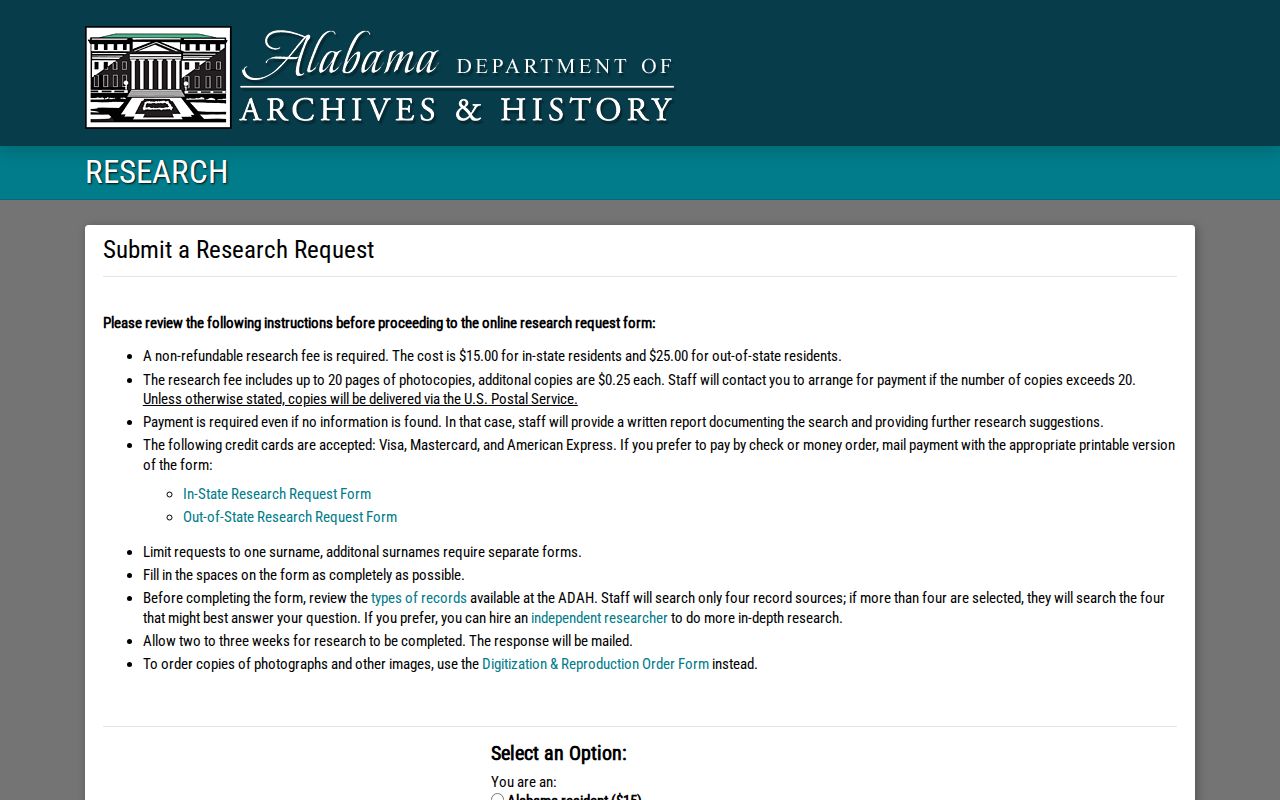
The request page shows the practical fallback beyond a web index: identify the record group and give enough names, dates, and places for staff to locate it.
Note: The Owens Cross Roads archive opened in December 2024, and added digitization was planned, but current online coverage remains unstated.
Bridge Madison County Street Changes
A modern address can fail in old records even when the same building survives. Huntsville’s verified 1958 changes renamed Oak to Gallatin, Madison to Poincianna, and High School to Pansy. Comer disappeared, while Brandon extended. Bob Wallace began with a 1909 subdivision and expanded east in 1928. Old city directories may use a cross-street phrase instead of a number.
Bridge each change with the legal description, subdivision, PIN, plat, or mapped footprint. Write down both street forms and the date of the change. This prevents a false conclusion that previous residents moved merely because their modern address does not occur in an older index.
The Alabama Archives county records search helps identify county-held series and custodial paths beyond a simple address query.
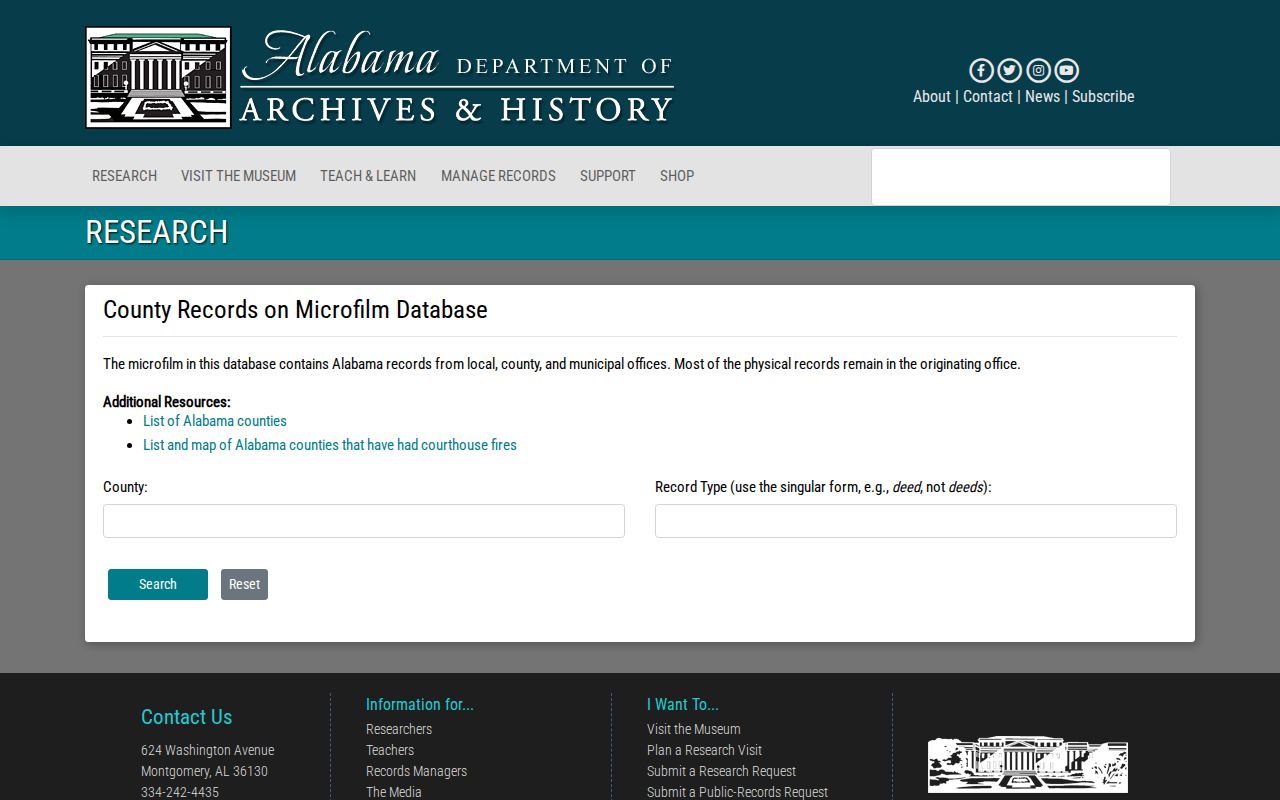
Its county-oriented route reinforces the need to search by record series and jurisdiction when a changed street name produces no result.
Map Madison County Past Residents
Maps date the place, not the person. The Library of Congress has three Huntsville Sanborn fire-insurance sheets from December 1884 and fifteen from February 1898. They can show a building footprint, construction material, use, and nearby structures. Huntsville historic aerials extend from 1937 to the present and can reveal additions, demolition, street change, and later subdivision growth.
Match the map to a directory or deed from the same era. A Sanborn sheet may prove that a dwelling existed when a name appears in a city directory, yet it does not prove that the named person lived inside. The 1884 Huntsville Sanborn set and later gallery are free access points, while HHC Find Place adds clickable historic addresses and 1950s aerial context.
Permits add another dated layer. County CityView exposes an address or PPIN locator for unincorporated areas. Huntsville’s public ePlans interface is an application tool, not a verified open history index, so older city permits require the City public-record request procedure.
Match Madison County Past Households
Deeds trace ownership, but previous residents can include relatives, boarders, or other occupants who never held title. The verified Madison County city directory run begins with 1859–60, includes a complete 1896–97 volume, selected 1953 and 1957 references, and later state-archive editions through 2006. Exact reverse-directory shelf years remain unverified, so ask HMCPL Special Collections rather than assuming a year exists.
- Choose the directory edition closest to the deed or map date and search the surname.
- Separate residence from office or business locations in the entry.
- Compare the street guide and the editions immediately before and after the target year.
- Pair 1859–60 with the 1860 census, 1896–97 with 1900, and mid-century editions with 1940 or 1950.
- Use a newspaper, obituary, cemetery record, or probate file to explain a disappearance.
The Madison County city directory collection has the detailed publishers, runs, and entry-reading method. For an early civic snapshot, the digitized 1867 voter registration books include Madison County, though a voter book is not a full household list.
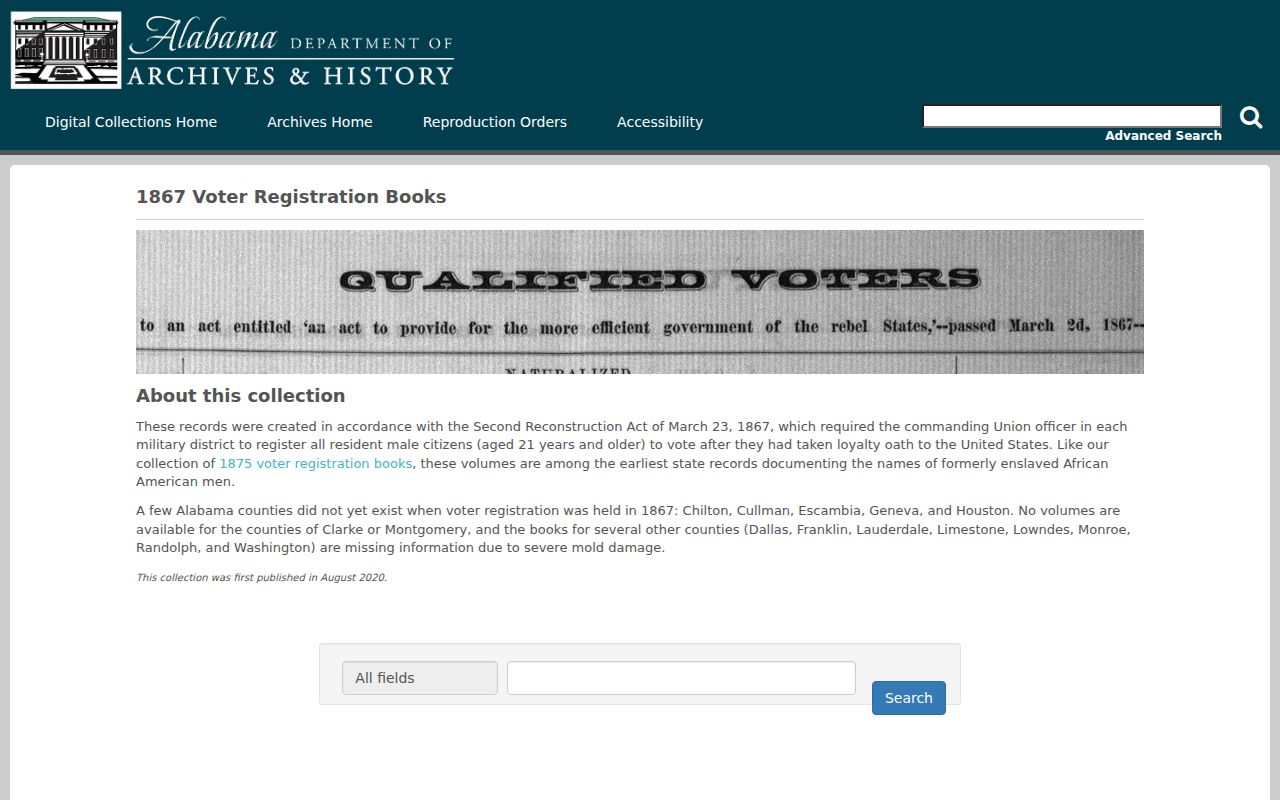
The historic voter collection can place eligible named men in the county after the Civil War, but directories, census schedules, and deeds are still needed to tie a person to one address.
Close Madison County Resident Trails
Probate and obituary sources can explain why a name leaves an address trail. The Madison County Probate Judge holds estates, wills, heir notices, guardianships, marriages, and name changes. The free Delta case lookup accepts a segmented case number, file number, name, and activity-date range. Estate files may name heirs and representatives, while published notice runs weekly for three weeks.
HMCPL’s obituary index searches names, cemeteries, and newspapers. It reports 68,281 Huntsville Times references, plus thousands from earlier papers, with copies available for $5. A result can supply publication and interment clues. Funeral-home archives are fragmented, so the library index is the steadier countywide starting point.
The Alabama Archives research guidance explains how to prepare for state archive work when local records point to a broader collection.
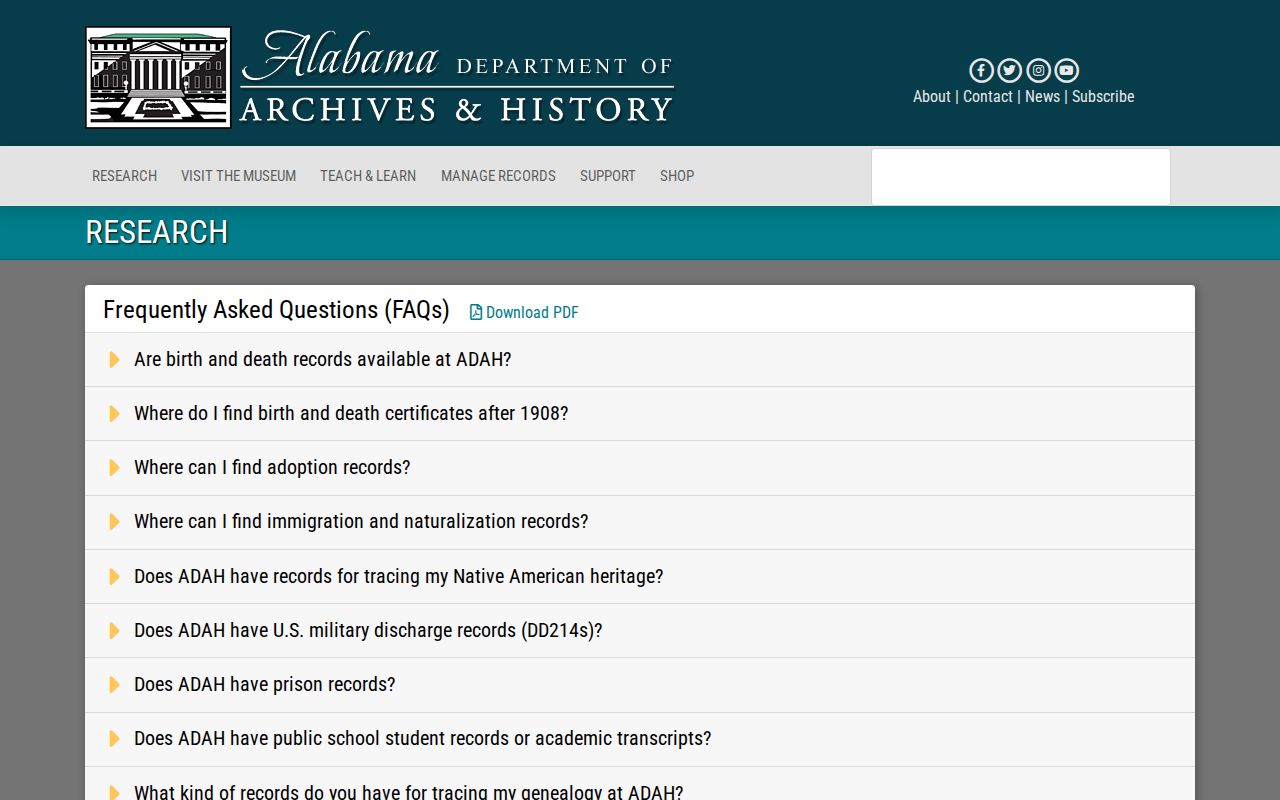
The guidance supports a focused request built from known names, record types, dates, and county, rather than a broad request for all past residents.
Verify Madison County Previous Residents
No single record proves the entire chain. A deed names an interest in land. An assessor page shows current title data. A permit identifies an application tied to work. A directory or census offers stronger household evidence for a stated date, but each can omit people. Maps show the structure and setting, not its occupants.
Confirm a previous resident with at least two sources from the same era. Preserve the citation and mark uncertainty where years are missing. Madison County has no authoritative record-loss schedule identified in the research, so generic claims about a courthouse fire should not be repeated. For an absent online result, check spelling and jurisdiction, contact the custodian, use mail or email, and then move to the library or archive for pre-digital material.